The Best Ways to Dress Up a Plain Hot Dog
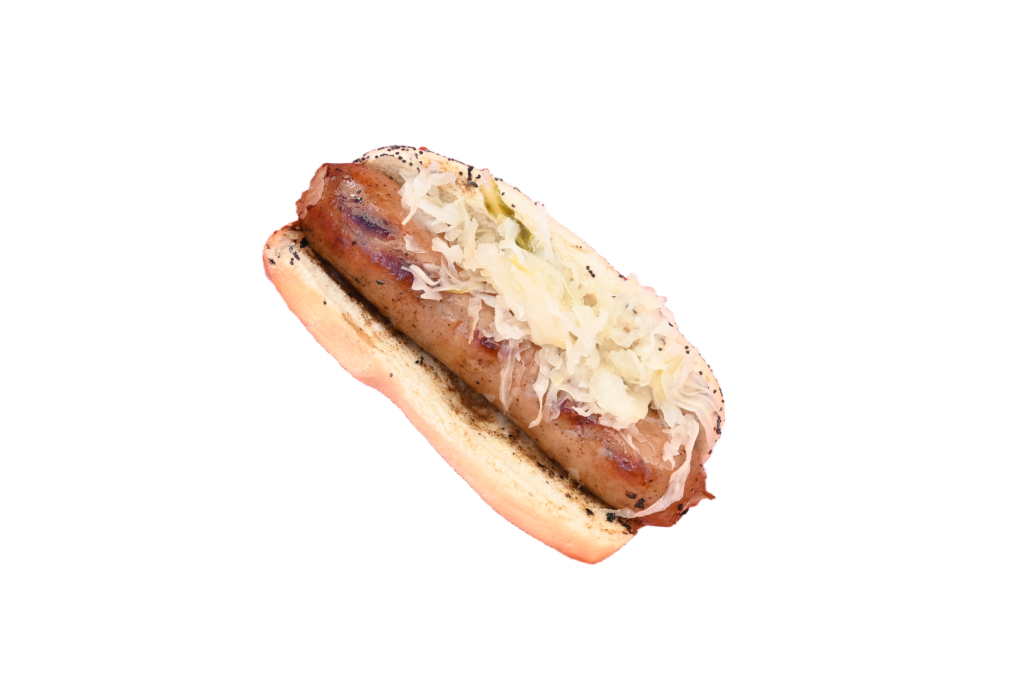
A plain hot dog is one of the easiest foods to improve because its baseline is so simple. You start with salt, smoke, fat, and a soft bun, which gives you a lot of room to build. That is why a hot dog can go in two very different directions and still work beautifully. It can stay casual, fast, and familiar, or it can become layered, balanced, and surprisingly polished with just a few smart additions.
The mistake most people make is treating toppings like clutter. They pile on whatever is in the refrigerator and hope for the best. Sometimes that works, but more often the result is soggy, one-note, or strangely heavy. A better hot dog has structure. It needs contrast in flavor and texture. It should have something rich, something sharp, something moist, and ideally a little crunch. Once you understand that, dressing up a plain hot dog becomes less about copying a style and more about building a bite that feels complete.
Start with the dog itself
Before getting into toppings, it helps to acknowledge that the sausage matters. A hot dog with a decent snap and good seasoning needs less help than a bargain pack with a soft casing and a vaguely salty flavor. Beef dogs usually stand up best to assertive toppings because they bring more depth and a cleaner savory note. Pork and mixed-meat dogs can be a bit softer and sweeter, which makes them especially good with mustard, kraut, onions, and chili.
Cooking method changes the final result more than many people realize. A boiled hot dog is serviceable, but not particularly exciting. Grilling adds char and a little bitterness, which is valuable if you plan to use sweeter toppings like caramelized onions or relish. Pan-searing works extremely well at home because you get browning without drying the dog out. Even a broiler can do the job if you watch carefully and rotate the sausage once or twice.
The bun matters too. A steamed bun makes for a softer, classic bite, but a toasted bun gives you better support and keeps sauces from soaking through quite so quickly. If you are dressing up a plain hot dog with wetter toppings, a lightly toasted bun is usually the better call.
Think in contrasts, not just condiments
The best dressed hot dogs are balanced. Richness alone gets tiring. Acidity alone feels harsh. Heat without sweetness can seem flat. This is where a little judgment goes a long way.
A very good hot dog often includes at least three of these elements: fat, acid, sweetness, spice, and crunch. Chili and cheese give richness, but they beg for onions or pickled jalapeños to cut through the heaviness. Sauerkraut adds acid, but it often tastes better with mustard or a little creamy dressing to round it out. Crispy onions are useful because they bring texture without watering anything down. Fresh onions give sharpness and bite, but they can dominate if they are thickly sliced. Small details like that separate a hot dog that tastes intentional from one that feels improvised.
I learned this the hard way years ago at a backyard cookout where the toppings table had everything, including bacon, slaw, barbecue sauce, jalapeños, shredded cheddar, onions, relish, and three kinds of mustard. Everyone built giant hot dogs. Most of them took two bites and set the rest down. They were too wet, too salty, or too overloaded to eat cleanly. The best one I had all day was simple: grilled beef dog, yellow mustard, chopped onion, pickle relish, and a few pickled peppers. It worked because every bite had a clear shape.
Mustard is the fastest upgrade
If there is one condiment that consistently improves a plain hot dog, it is mustard. Yellow mustard is classic because its vinegar and turmeric brightness wake up the sausage without overwhelming it. Deli mustard or spicy brown mustard brings more texture and a deeper bite, which suits beef dogs especially well. Dijon can work too, though it reads a little sharper and less nostalgic.
What mustard does best is sharpen the edges of the meat. It makes a hot dog taste more vivid. That is why even dogs with heavier toppings often benefit from at least a small swipe of mustard underneath everything else. Chili, cheese, and onions over a thin layer of mustard taste more complete than the same stack without it.
Honey mustard can be useful when you want sweetness, but it should be used carefully. Too much and the hot dog starts drifting toward sandwich territory in a way that does not always feel coherent. The same goes for whole grain mustard. It can be excellent with grilled onions or bratwurst-style toppings, but on a basic hot dog it sometimes adds more texture than the bite needs.
Onions change the personality completely
Raw onions give a hot dog energy. They are sharp, crunchy, and a little aggressive, which is exactly why they work. Finely chopped white onion is one of the best hot dog toppings ever devised because it spreads evenly and punctuates each bite without taking over. Red onion is milder and sweeter, though visually stronger. It works nicely when you want a fresher, slightly more modern feel.
Cooked onions take things in a different direction. Sweated onions, cooked until soft but not browned, add sweetness and moisture. Caramelized onions are richer, darker, and more luxurious, though they can make a hot dog feel heavier if paired with cheese or bacon. The best use of caramelized onions is often with mustard and something acidic, such as sauerkraut or pickled peppers, so the finished dog does not become too sweet.
There is also the diner-style onion sauce found in parts of the Northeast, where onions are simmered in a tomato-based mixture with spices. It is not as heavy as chili and it delivers a lot of savoriness without smothering the sausage. If you want to dress up a hot dog without making it messy beyond reason, onion sauce is one of the smartest options.
Pickles, relish, and other bright cuts
https://www.google.com/maps?cid=14895214581080491932A plain hot dog often needs something bright more than it needs something rich. Pickle relish is the obvious answer, and there is a reason it has endured. Its sweetness and acidity soften the saltiness of the dog and bring a juicy element that still feels familiar. Sweet relish pairs especially well with yellow mustard because the two create a sweet-sour balance that has carried countless ballpark dogs over the finish line.
But relish is not the only option. Chopped dill pickles give a firmer texture and less sugar. Bread-and-butter pickles push sweeter. Pickled jalapeños add both acid and heat. Quick-pickled red onions look impressive and are easy to make with vinegar, sugar, and salt. They can turn an ordinary hot dog into something that feels restaurant-worthy without much effort.
This is one of the most useful principles for dressing up a hot dog at home: if your toppings are rich, add something pickled. It instantly makes the whole thing taste more awake.
Chili can be excellent, but it needs restraint
A chili dog has obvious appeal. It is warm, hearty, and deeply savory, and it can turn a simple meal into something that feels substantial. The problem is that many homemade chili dogs fail because the chili is too wet or too bean-heavy. Good hot dog chili is usually finer in texture, meat-forward, and not overly soupy. It should sit on the dog, not run off it.
The best chili toppings are those that complement rather than duplicate. Finely chopped onions are excellent because they add bite. Shredded cheddar can work, though a sharp cheese is better than a mild one. A stripe of mustard underneath the chili is a small move with a big payoff. It cuts the richness and keeps the first few bites from feeling dull.
Beans are not wrong if you like them, but they change the structure. They make the whole thing more like a bowl of chili on a bun. If the goal is to highlight the hot dog rather than bury it, a smoother chili is usually the better choice. This is especially true if you are serving several varieties at once and want people to sample more than one.
Cheese should support, not smother
Cheese is easy to overdo on a hot dog. Melted cheese sauce has obvious appeal, especially in stadium-style versions, but it can mute everything else if applied too generously. Shredded cheddar offers more control and a sharper flavor, though it does not always melt evenly unless it hits very hot chili or onions.
One of the better approaches is using a smaller amount of a stronger cheese. Sharp cheddar, pepper jack, or even a little crumbled cotija can bring plenty of character without turning the bun greasy. Cream cheese deserves mention too. It sounds unconventional to some people until they try it, but the cool richness against a grilled or seared hot dog is excellent, especially with grilled onions or jalapeños. Seattle-style hot dogs have proven this point for years.
If you are adding cheese, think hard about moisture. Cheese plus slaw plus sautéed onions plus sauce can collapse a bun in minutes. Something has to give, and usually it is the person eating it.
Slaw adds freshness and crunch
Coleslaw is one of the most underrated hot dog toppings because it solves multiple problems at once. It adds crunch, moisture, sweetness, and acidity. On a chili dog, slaw lifts the entire bite and keeps it from becoming too dense. On a plain grilled hot dog with mustard, slaw alone can be enough to create something memorable.
A good slaw for hot dogs is often more finely cut than barbecue slaw served as a side. It should sit on top neatly rather than spill in thick strands. Whether creamy or vinegar-based depends on what else is going on. Creamy slaw works especially well with spicy toppings because it cools them down. Vinegar slaw is better when the rest of the dog is already rich.
One practical note from experience: dress the slaw lightly if it is going onto buns. A wet slaw is delicious in a bowl and disastrous on a hot dog after about ninety seconds.
Bacon is powerful, so treat it like a seasoning
Bacon can make a hot dog better, but only if it is used with discipline. A strip wrapped around the dog and cooked until crisp looks dramatic, yet it often creates a chewy outer layer if the bacon does not render fully. Chopped crisp bacon scattered over the top is usually more effective. You get smoke, salt, and crunch without compromising the bite.
Bacon pairs best with ingredients that can stand up to it. Jalapeños, barbecue sauce, cheddar, grilled onions, and slaw all work. Bacon with relish and ketchup, less so. The flavor profile starts pulling in too many directions. If you want a bacon hot dog to feel balanced, include one element that cuts through the fat. Pickled peppers, mustard, or slaw usually do the trick.
Regional styles teach good lessons
You do not need to follow a regional blueprint exactly, but some of the best hot dog ideas come from local traditions that have already worked out the balance for you.
The Chicago-style hot dog remains one of the clearest examples of how layering can create harmony. It is famous for the pile of toppings, yet when done correctly it does not taste chaotic. The mustard, relish, onions, tomato, sport peppers, pickle, and celery salt all contribute something distinct. The lesson is not that every dressed hot dog needs seven toppings. It is that each topping should have a job.
The New York style, with mustard and onion sauce, shows the value of concentration. It is savory, punchy, and relatively neat. The Coney-style family of dogs demonstrates how chili, onions, and mustard can form a complete system when proportions are right. Sonoran hot dogs, often wrapped in bacon and loaded with beans, sauces, onions, tomatoes, and jalapeños, prove that excess can work if the structure underneath is strong enough.
Studying these styles is useful because they remind you that a great hot dog is not random. It is designed, even when it looks casual.
Heat is best when it comes in layers
A spicy hot dog can be thrilling, but pure heat gets old fast. Better to layer heat from different sources. A little spicy mustard, a few pickled jalapeños, and perhaps a spoonful of chili create a more interesting experience than dumping on a hot sauce that overwhelms everything.
Fresh jalapeños bring a greener bite. Pickled jalapeños add acidity. Hot sauces vary wildly, and many are too thin for a bun-based setup. If you want sauce, a thicker chili sauce, chipotle mayo, or spicy ketchup often behaves better. That said, use mayo carefully. It can be effective, especially with bacon or grilled onions, but it can also make a hot dog feel heavy very quickly.
Some of the best spicy hot dogs include a cooling or sweet counterpoint. Cream cheese, slaw, grilled onions, or even pineapple salsa can all work depending on the direction you want. The key is keeping the sausage central rather than making it merely the vehicle for heat.
Texture is where most average hot dogs fall short
Flavor gets the attention, but texture decides whether a hot dog is merely tasty or genuinely satisfying. A dressed hot dog should not be soft all the way through. The bun is soft, the sausage is tender, and many toppings are moist. Without crunch or snap, the whole thing can feel monotonous.
That is why chopped onions, pickles, sport peppers, slaw, crispy fried onions, or even crushed kettle chips can do so much work. A hot dog does not need many toppings if the ones you choose add textural contrast. Crispy onions over mustard and chili, for instance, are more useful than an extra ladle of cheese sauce. You notice them in every bite.
Toasted buns help here as well. Even a light toast gives the outer edges enough resilience to keep the entire dog from feeling limp.
Great combinations that rarely disappoint
Some topping combinations succeed so consistently that they are worth committing to memory. A grilled beef hot dog with yellow mustard, diced onion, and sweet relish is classic because it balances sharp, sweet, and savory in about the cleanest way possible. A seared dog with spicy brown mustard, sauerkraut, and grilled onions brings more depth and feels particularly good in cooler weather. Chili, mustard, onions, and a modest amount of sharp cheddar create a richer option that still has some edge. Cream cheese, grilled onions, and jalapeños make for a softer, richer style with a nice heat profile. Slaw and chili, especially on a snappy beef dog, offer one of the best combinations of richness and freshness you can put on a bun.
None of these are revolutionary. That is the point. A lot of hot dog success comes from respecting combinations that already know how to behave together.
When less is actually more
There is a temptation, especially when entertaining, to set out every possible topping and encourage creativity. That can be fun, but it often leads people away from the best version of the food. A hot dog is not a salad bar. It benefits from editing.
If you are serving guests, a narrower spread often produces better results. A mustard, an onion option, one pickle element, one rich element like chili or cheese, and one crunchy component give people enough range without sending them into excess. Most people build better hot dogs when there are fewer chances to make bad decisions.
The same principle applies at home. If your bun is good, your dog has some snap, and your toppings are thoughtful, you do not need six things piled on top. Sometimes mustard, onions, and kraut are not a compromise. They are the best answer.
The small details that make the whole thing feel better
Temperature matters. Hot dogs should be hot, buns should be warm, cheese should melt if it is supposed to melt, and cold toppings should be added at the end so they keep their identity. Wet toppings need draining. Sauerkraut, relish, and pickled vegetables often improve if you let a little excess liquid fall away before adding them. Otherwise, the bottom of the bun gives up before you are halfway done.
Cut size matters too. Finely chopped toppings distribute more evenly and make the hot dog easier to eat. Thick onion slices and long pickle spears may look generous, but they tend to slide and pull. Small dice and short pieces create a tidier bite.
Even the order matters. A base layer of mustard can help anchor onions or kraut. Chili should usually go directly on the dog, where it can nestle in, with cheese or onions over it. Crispy toppings belong last so they stay crisp. These are small things, but hot dogs are built from small things.
Dressing up a plain hot dog is really about intent
What makes a hot dog feel elevated is not luxury ingredients. It is care. A plain hot dog becomes better when someone thinks about balance, texture, proportion, and the practical reality of eating it in your hands. That is true whether you are making a quick lunch at home or feeding a backyard crowd.
The best ways to dress up a plain hot dog are the ones that preserve what people like about it in the first place. It should still taste like a hot dog. The toppings should sharpen it, frame it, or deepen it, not bury it under a stunt. Give it mustard for brightness, onions for bite, pickled elements for lift, chili for depth, slaw for freshness, cheese for richness, and crunch wherever it makes sense. Edit ruthlessly. Build thoughtfully. Eat immediately.
That is how a plain hot dog stops being plain at all.
Under Construction Hot Dogs
1225 W U.S. Hwy 50, Pueblo, CO 81008
FAQ About hot dog
What are different types of hotdogs?
Under Construction Hot Dogs offers a classic all-beef hot dog, a quarter-pound Jumbo Dog, a Chili Dog, and a Chicago Dog, along with brats and a Spicy Link.
What does a chili dog have on it?
Our Chili Dog pairs a Vienna all-beef hot dog with chili, shredded cheddar cheese, and finely diced onions.
What is in a traditional Chicago dog?
Our Chicago Dog comes on a steamed poppy seed bun with yellow mustard, bright green relish, onions, tomato wedges, a pickle spear, sport peppers, and celery salt.